QuietJourney Forums
Boundary Waters / Quetico Discussion Forums >> What's Cooking? >> Planning menu and packing food items.
https://quietjourney.com/community/YABB.cgi?num=1298912179

Message started by intrepid_camper on Feb 28th, 2011 at 4:56pm

Title: Planning menu and packing food items.
Post by intrepid_camper on Feb 28th, 2011 at 4:56pm
I was wondering how you decide what you will eat and how you pack it for the camping trip.  My method is to pack all ingredients for each meal in separate zip-top bags so I only have to find that one meal bag in the packs.  This makes cooking at camp streamlined but takes hours of pre-planning and pre-packing at home.  I suspect many campers do not want to go through that much trouble to plan and pack their food.

Title: Re: Planning menu and packing food items.
Post by pine_knot on Feb 28th, 2011 at 5:00pm
Need to vote for both option 2 and 3.  Certainly not 4.

Title: Re: Planning menu and packing food items.
Post by solotripper on Feb 28th, 2011 at 5:06pm
I do a combo of 3 and 4.
Easy meals, partial " gourmet", and lot's of repackaging, which I don't mind and find reassuring. I like having my meals/food items in easy to find/organize zip-lock bags.

Title: Re: Planning menu and packing food items.
Post by Preacher on Feb 28th, 2011 at 6:20pm
Easy, basic, dehydrate my own.  Out there food is 90% practical & a chore.  I'd much rather be paddling, fishing, hanging out than cooking & dishes.  I love to cook at home, hate it in the bush.

Title: Re: Planning menu and packing food items.
Post by nctry_Ben on Feb 28th, 2011 at 6:57pm
I've seen how you (IC) pack and eat. It's amazing the good stuff you bring. I agree that there should be a combo of #3 & #4. I spend a fair amount of time dehydrating hamburger and repackaging Hambuger Helper and such for main meals. My favorite is Hamburger Helper Double Cheese Burger. I was doing a whole box for myself, eating what I could and mixing the rest with Bernices food for her. This year I'm going to try and split the box into smaller servings. I think I eat to much out there... I know Bernie does! For my August trip I need to get 20 days of food into two Bear Vaults... That's my goal! (BV500's) Unlike Preacher I don't mind cooking out there... I'm just not a gourmet cook. I like it simple... And I need to have plenty of food to be comfortable.

Title: Re: Planning menu and packing food items.
Post by marlin55388 on Feb 28th, 2011 at 7:40pm
I mix a 3 and 4. Some are fast meals, some are embellishments. Food can break a trip down or it can make a trip; a part of the journey. Sustenance looks a lot of different ways, or rather tastes a lot of different ways, looks a lot of different ways...and then there is the possibilities in anticipation embellished by the process, and gathering the ingredients.  I start planning a balance diet and I include fat, carbs., and protein cuz its important...we are what we eat, right... And then there is the how much to bring; I also bring extra cuz I have run short and that is not fun, its horrid. But then again I am a nut that likes nuts ;)

Title: Re: Planning menu and packing food items.
Post by Preacher on Feb 28th, 2011 at 8:10pm
Extra food is a must.  Anywhere from one extra dinner to a whole day's worth of food.  I'd rather come home with extra than be stuck out there with nothing or rationing.  It's vacation, not survival.

Title: Re: Planning menu and packing food items.
Post by Snow_Dog on Feb 28th, 2011 at 8:19pm
I'm also between #3 and #4.

My goal is to do most of the hard work at home to make my meals appealing so that I don't have to waste too much precious vacation time on my trip cooking and cleaning up.  That said, there are still a few favorites on my typical menu that take some time or effort on the trail.

Simple meals for travel days, more demanding meals for layovers.  It all depends on what the goals of the trip are, however.  If we're travelling fast and far I try to pare down both weight and cooking time.  A more leisurely trip will see me bring a few more gourmet items.

At home, I pre-mix and pre-pack everything possible.  I'm fussy about bringing my own granola bars which I make with my own granola.  They are much healthier and more nutrient-dense than anything I can buy at a store.  I mix many of my own trail mixes.  I par-cook all my bacon at home beforehand to minimize weight, cooking odor, and grease which must be disposed of.  I make my own just-add-water whole-grain pancakes and cornbreads.  I make my own jerky.  

I also keep good records to minimize over-packing food.  I intentionally bring a little extra trail mix and jerky just in case but otherwise I've gotten portion sizes pretty well figured out.  I know that 2 oz. of (sugar-free) syrup per person per meal is plenty, for example.  I don't need or want to pack out half a bottle of syrup.  Same deal with oil.  I know pretty much exactly how much I'll need given my menu and that's what I pack.

It's time-consuming to say the least to do all this pre-trip while packing and simultaneously doing my share in a 2-income, 3-child household.  But it's worth it to me to eat foods that I really like and that are reasonably consistent with my dietary choices.  I don't like processed carbs, sugars, or preservatives in my diet at home and I am willing to put in extra work beforehand to avoid them on the trail.  

At home I am pretty strictly low-carb.  On the trail I add carbs sensibly.  Whole grains only and sub in sugar-free ingredients where possible.

Title: Re: Planning menu and packing food items.
Post by mastertangler on Feb 28th, 2011 at 8:46pm
Here's a question for you brainy food types. At home for breakfast I eat 1 cup of oats and 1/4 cup of raisins every morning. No milk, no sugar. Coffee is black.

But on the trail I mix in a healthy amount of brown sugar in with my oats and a generous scoop of cream and sugar with my coffee. I figure the sugar adds calories and "fuel" and fills in the gaps (literally) between the oatmeal flakes thus adding a bit more bang for the buck while packing the same volume.

Curious if my thinking is correct in this regard. Does the sugar really provide more energy? Please tell me yes cause I'm probably going to do it anyway and I can feel better about it ;). I couldn't help but notice SD subs in sugar free stuff where possible which is opposite my thinking. Maybe I'm wrong.

Oh, and I guess I'm a bit of a blend of all of the above. Sometimes simple, sometimes fancy, sometimes prepackaged, sometimes not. Each trip is different I rekon.

Title: Re: Planning menu and packing food items.
Post by PhantomJug on Feb 28th, 2011 at 8:48pm
We are in the last category as we consider our fishing license the larger half of our food bill.  A standard 7 day grocery list for 2 people looks like this:

14 breakfast bars
coffee
4-5 lbs trail mix
7 pre-packaged side dishes (noodles, rice or potatoes)
large bag of gatorade powder
bottle of squeeze butter


mastertangler wrote on Feb 28th, 2011 at 8:46pm:
Does the sugar really provide more energy?


For about 30 minutes.  Then you crash and you're hungry again.  If you want more energy, eat more fish or bring some protien.

Title: Re: Planning menu and packing food items.
Post by solotripper on Feb 28th, 2011 at 9:12pm
PJ,

Is right about the sugar, but if you have too, then Brown is waay better than White.
I like to mix in a 1/2 cup trail mix in my morning oatmeal. The nuts are an excellent protein source and the dried fruit is full of carbs and the natural sugar they contain will satisfy your sweet tooth and give you a longer " burn" time, avoiding the blood sugar spike and fall of processed sugars.
You could also add a little Honey instead of sugar. Just don't let Yogi and Boo -Boo smell it ;)

Title: Re: Planning menu and packing food items.
Post by intrepid_camper on Feb 28th, 2011 at 9:39pm
I love my sugar  :( but it is very heavy to carry much of it on portages.  I sub sugar-free fruit drink mixes for beverages and splenda for my coffee.
I always buy a bag of jelly beans and divide it among the days I will be out.  They are easy to snack on while portaging and that is when you need the energy boost.  Gimbal's jelly beans available at Wal-mart are very tasty.  ;)


Title: Re: Planning menu and packing food items.
Post by DentonDoc on Feb 28th, 2011 at 10:29pm

intrepid_camper wrote on Feb 28th, 2011 at 9:39pm:
I love my sugar  :( but it is very heavy to carry much of it on portages.  I sub sugar-free fruit drink mixes for beverages and splenda for my coffee.
I always buy a bag of jelly beans and divide it among the days I will be out.  They are easy to snack on while portaging and that is when you need the energy boost.  Gimbal's jelly beans available at Wal-mart are very tasty.  ;)


I also bring the same drink mixes and my coffee has sweet-n-low (same difference).

However, my "candy" of choice is a daily allotment of 2 Werther Originals (love the creamy taste/texture) and 2 lemon drops.  The Lemon Drops are a hold over from my backpacking days.  Stick one of those in your mouth to suck on during a longish portage on a hot day and it not only gives you a bit of an energy kick, but it keeps your mouth from getting dry.  (Oddly, I don't eat either when "back in the world".)

I also carry one of the following three items in my pocket and eat when the mood strikes me (all packaged at about 2 ounces): mixed roasted nuts/no salt, trail mix, or peanut M&M's.  (Generally the peanut M&M days are those that are longer portage days ... extra energy kick.)

(As far as the poll ... I'm a 3-4 guy.)

dd

Title: Re: Planning menu and packing food items.
Post by Kerry on Feb 28th, 2011 at 11:43pm

mastertangler wrote on Feb 28th, 2011 at 8:46pm:


But on the trail I mix in a healthy amount of brown sugar in with my oats and a generous scoop of cream and sugar with my coffee. I figure the sugar adds calories and "fuel" and fills in the gaps (literally) between the oatmeal flakes thus adding a bit more bang for the buck while packing the same volume.


So here's the skinny (groan) on sugar. Carbohydrates are basically sugar and starch. Apples, oranges, potatoes, grains, candy, bread… are all carbohydrates. Carbohydrates break down into glucose molecules. When used as energy, carbohydrate fuel becomes fuel for your muscles and brain. If your body does not have any use for the glucose, it is converted into glycogen and stored it in the liver and muscles as an energy reserve. Your body can store about a half a day's supply of glycogen. If your body has more glucose than it can use as energy, or convert to glycogen for storage, the excess is converted to fat. So if you are very active your body will use glucose rather than convert it to fat.  However, that being said, sugar provides very little else in terms of nutrition and so it is not considered a great way to gather or store useful calories.  Of course processed white sugar is the worst possible source because, being processed, it puts added demands on the body to metabolize it.  But if you think brown sugar is way better I'm afraid you're kidding yourself.  Brown sugar is basically processed white sugar with a bit of molases added for color and texture.  Amongst great chefs dessert (i.e. sugar) is considered to be like royalty - it attracts all the attention but is essentially useless.


Title: Re: Planning menu and packing food items.
Post by solotripper on Mar 1st, 2011 at 12:00am

Quote:
But if you think brown sugar is way better I'm afraid you're kidding yourself.  Brown sugar is basically processed white sugar with a bit of molasses added for color and texture.


Thanks for that important info about the Brown sugar.
I don't use sugar period, so I was echoing what my friends who do have told me. I guess they heard the same thing and on it goes.

Title: Re: Planning menu and packing food items.
Post by marlin55388 on Mar 1st, 2011 at 1:45am
"Brown sugar how come you taste so good?"

Title: Re: Planning menu and packing food items.
Post by mastertangler on Mar 1st, 2011 at 2:50am
Yea man, I'm still loading up with brown sugar.

Title: Re: Planning menu and packing food items.
Post by Marten on Mar 1st, 2011 at 4:14am
I am a solid #3 food packer. I suffer with low sugar problems so have to be very careful with foods that cause spiking and then the crash. There is always some peanut butter handy to power through the portages. Even the quick oatmeals slam me too hard so I stick will steel cut oats or multi grain cereals. I used to bike with a friend who believed sugar was a great fuel, the results were not pretty. That #3 thing is when I am solo. Some of my friends really like to eat well and that is fine by me. Especially when they come by floatplane after I have been in for a while. :P

Title: Re: Planning menu and packing food items.
Post by Snow_Dog on Mar 1st, 2011 at 4:48am
Kerry's got it right.  A few additional thoughts...

Sugar and starch are essentially the same thing but sugar breaks down easier.  Many of our favorite plant foods convert sugar, a simple carbohydrate, into starch, a somewhat more complex carb.  Peas, carrots, and corn are all good examples.  When young and tender they are very sweet as much of the carbohydrate in them is still in the form of sugars.  As they mature, the sugar converts to starch which is why they don't taste nearly as good when overripe (or overgrown, in the case of carrots).  Our bodies do the reverse and break down the starches back into a type of sugar known as glucose.

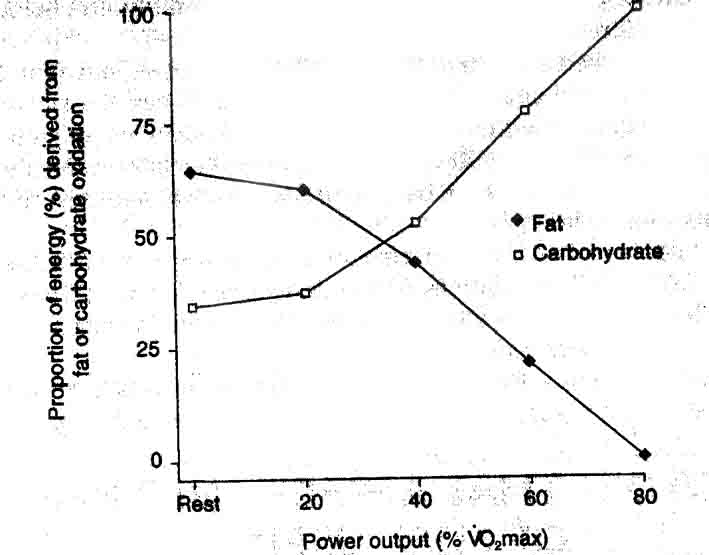
Carbohydrates are mistakenly referred to as the preferred fuel of our bodies.  They are not.  Our bodies function best when burning primarily fat except during strenuous exercise...like extended heavy portaging or running a marathon.  During moderate exercise, such as paddling all day and intermittant portaging, your body will perform just as well by burning fat IF that is what it is accustomed to burning on a regular basis.  The reason carbs are mistakenly viewed as the "preferred" fuel of the body is that the body will burn them before it burns fat.  Your body does this not because carbs are its preferred fuel, but because that's your body's first line of defense against elevated blood sugars, which if they remain elevated for prolonged periods, are destructive to the body.  

Insulin also plays a role in keeping your blood sugar at acceptable levels.  It also is the primary hormone which regulates the storage of fat in your body.  Insulin actually activates our fat cells to store fat.  The more insulin your body produces, the more fat your fat cells will store.  The sad thing is that much of the fat stored is synthesized by your liver from carbs.  Insulin also decreases the ability of muscle cells to burn fat.  As long as insulin levels are elevated in the body, your cells are blocked from using much of the fuel already available in your body in the form of fat.  

Furthermore, the more insulin you secrete, the more likely it is that your cells will become more resistant to insulin, theus the more insulin you'll need to secrete to keep blood sugar levels under control.  Thhis is because too much glucose is toxic to your cells so they increase resistance to insulin to keep the glucose out.  So your body produces even more insulin to overcome the resistance.  It can become a vicious cycle.  And the more insulin you produce, the more your body will attempt to store fat rather than use it for fuel.

If you are engaged in a constant struggle to control or maintain your weight, odds are you have a tendency to be resistant to insulin more than those who seem to effortlessly maintain their weight.  Most diets don't work well...or for long...because they don't address the insulin problem.  They just try to restrict calories and that doesn't work because the problem is not that you are consuming too many calories but rather that your body is unable to convert the calories you consume to energy because the excessive insulin is telling your body to store it as fat instead.

If you have struggled, as I have, to maintain a healthy body weight and have been frustrated by the long-term effectiveness of every weight-loss plan you've ever tried (too hard to stay on it, or just doesn't seem to work) then may I recommend a book that will help you understand why you these plans have failed you and what you can do that DOES work:

  (You need to Login or Register

It is backed up with cutting edge science and exposes a lot of what we have been taught about diet and health as misguided attempts to prove what seems logical but is, in fact, utterly false.  All I can tell you is it changed my life immeasurably for the the better.  Sorry if I sound like an infomercial here, but this book proved to me that it was not a lack of willpower or bad genes that was causing my problems.  It was the flawed science behind the conventional wisdom of weight loss.

Title: Re: Planning menu and packing food items.
Post by mastertangler on Mar 1st, 2011 at 5:20am
Man, I'm glad I'm hanging out with you guys. Whoever would of thought a canoeing forum would have impact on your life? Weird......

I have the book coming.

Title: Re: Planning menu and packing food items.
Post by PhantomJug on Mar 1st, 2011 at 1:43pm
Ditto what S_D said.  And, if you have a Netflix account I might suggest the documentary "Fat Head" if you want to see whats behind the curtain.

Title: Re: Planning menu and packing food items.
Post by Mad_Mat on Mar 1st, 2011 at 1:50pm
I guess I'm a combination of 2 and 3 - everything is grocery store stuff except for fz dr dinners -  don't cook other than to boil water, so I don't have "ingredients" per se, but I put the entire day's food into one bread bag (works for two people), and number them, the idea being to have as much variety as I can get - so maybe day 2 and day 8 will be the same, but not day 2 and day 3 - and last day is on the bottom, first on top  (FILO as us countants like to call it)- I don't like to bother much with meals, so my method makes it pretty simple for me - grab today's food, take out the breakfast and lunch, and put the dinner back in the food bag for later. It does take a lot of planning and packing at home, but once its done, its done, and I don't have to bother at camp.  I often do long days, so quick and easy works best for me.

Title: Re: Planning menu and packing food items.
Post by intrepid_camper on Mar 1st, 2011 at 5:24pm
Thank you Snow Dog!  I always wondered about the sugar/insulin/fat connection but this is the first time I've actually heard a logical explanation.  I used to try dieting, I finally said screw-it and quit beating up my psyche about it.  But I do eat a lot of sugar and I bet that's where I am sabatoging my metabolism.  I always loose weight on camping trips and now I think it is because on trips the sugars I am eating are complex ones in the gorp and probably less in general because I substitute splenda for some of the others in my at home diet.

Title: Re: Planning menu and packing food items.
Post by solotripper on Mar 1st, 2011 at 5:32pm

Quote:
Sorry if I sound like an infomercial here, but this book proved to me that it was not a lack of willpower or bad genes that was causing my problems.  It was the flawed science behind the conventional wisdom of weight loss.


More people should be concerned about their health and look for answers. Anything that will give people the tools is welcome news from me.

Obesity has become an National epidemic, along with the diabetes and other serious health problems associated with it.

The current generation is the first one in our history that has a good shot of having a shorter lifespan than the one before it :(

At the same time health care costs are skyrocketing and were struggling to hold down costs without cutting quality of care.

75% of health problems are lifestyle related. You can pay " now", healthier, maybe more expensive food, and exercise time or pay " later, with hospital stays, expensive medicines and poor quality of life, and maybe diminished lifespan.

Even if you don't care about quality of life and living longer, just from a purely economic standpoint, it's cheaper to stay moderately healthy, than pay medical/rehab bills, and higher insurance premiums ;)

Title: Re: Planning menu and packing food items.
Post by Preacher on Mar 1st, 2011 at 7:02pm

solotripper wrote on Mar 1st, 2011 at 5:32pm:
Even if you don't care about quality of life and living longer, just from a purely economic standpoint, it's cheaper to stay moderately healthy, than pay medical/rehab bills, and higher insurance premiums ;)

[smiley=thumbup.gif]

Title: Re: Planning menu and packing food items.
Post by Kerry on Mar 2nd, 2011 at 6:13pm
My wife and I tend to do long trips, 20 to 30 days on the water.  At the same time we like to eat well, really well, so food prep and planning is an important part of our trip.  As we started getting into longer trips one of the first decisions we made was to get a dehydrator.  With that it is possible to prepare nutritious, gourmet quality meals while at the same time keeping weight and on the ground prep time to a minimum.  We typically package the ingredients for each dinner and pack them in the reverse order.  I’ve become huge into fishing so we count on augmenting our food supply with fresh fish – I typically figure half our dinners will be fish based but of course we carry back up just in case I get skunked.  Breakfasts are typically either home made granola, porridge (with lots of dried fruit and maple syrup) or pancakes (also with fruit and m.s.).  Maple syrup is weight but I’m definitely willing to carry it!  We typically don’t prepare lunch but just have snacks of nuts, dried fruit, chocolate, or pb&j rollups.  Given that we’re out for 3 weeks at a time, our packs are quite manageable to where we can easily double portage without busting our butts.  
Meal prep and planning is the point, before our trip, where me and my wife start getting into it together (I start planning our next trip pretty much from the moment the last one ends whereas my wife doesn’t give it much thought until we actually start talking about what we’re going to eat, usually 3 or 4 weeks before we take off.)  
Last year I lost about 15 lbs on our trip (I’m not overweight.)  I think that was due to 2 things.  The first is the level of activity.  Even when we’re not on the move everything in camping requires more effort.  Even getting in and out of our camp chairs takes more.  There is a lot of getting up, sitting down and moving around that I don’t really notice when I’m doing it but when I think about it, it certainly adds up to an active day (and I’m a guy who’s used to working out 2 hours a day in the gym anyway.)  The other thing is that I’m so busy living – you know, fishing, setting up camp, going for a paddle, whatever – that I’m not thinking so much about eating between meals.  Often, at home, I eat because I’m bored or I need something to make me feel better over the course of a work day.  I rarely eat between meals because I’m actually hungry.  When I’m camping, I’m so busy living, really participating in my life, that, outside of mealtime, eating just isn’t on my mind.

Title: Re: Planning menu and packing food items.
Post by marlin55388 on Mar 2nd, 2011 at 10:24pm
Kerry

I know how you can shave some more weight :o Convert the maple syrup into maple sugar...

  (You need to Login or Register

The dehydrator does indeed open a lot of doors and makes the food a ton more fun. I love mine.

Title: Re: Planning menu and packing food items.
Post by Westwood on Mar 3rd, 2011 at 5:01am
This may sound pretty basic to some, but to a beginners I think the following comments will be helpful.  How do you know how much food to bring.  Before you leave write a menu for breakfast, lunch and dinner for each day.  If you plan on instant oatmeal for breakfast, figure out how many packets each person will eat and for how many days.  I figure 3 packs per person per breakfast.  If you are having pancakes again calculate how many pancakes each person will eat.  Multiple by the number of people and how many meals you plan on eating pancakes.  We generally eat sandwiches for lunch.  Often summer sausage and cheese.  I figure three slices of bread per person.  One slice of cheese per sandwich and one inch of sausage per sandwich.  One inch of sausage is 4 slices one quarter inch thick.  If you bring summer sausage, buy small sausage so you don't have to worry about spoilage once you open the package.  We figure on fish one meal a day and a package of pasta which you can buy at any grocery store.  Just read the package for serving size.  Our primary vice is bringing cookies.  Again count how many cookies you want to eat per day and multiple by the number of days.  I once suggested to my son that we could reduce weight if we didn't bring cookies.  He thought that was a bad idea.

My basic point is use a pencil and paper and calculate how much to bring.

Title: Re: Planning menu and packing food items.
Post by db on Mar 3rd, 2011 at 7:16am
I don't go there to cook so things are repackaged at home for ease in camp. Like Westwood, I'll write down days on a piece of paper and carefully plan out a variety of breakfasts and dinners for each day, split, weighed, measured and repackaged for single servings with adjusted measurements and whatever directions are needed written on the painter's tape that closes the baggie. Dinner baggies all go in a dedicated larger zip-loc as do breakfasts, desserts and fish breading. I'm pretty anal about it up to that point.  I'll even pinhole oatmeal bags and candy bar wrappers to save space. Then I fill that saved space with a variety of things that go crunch like crackers, pretzels, breadsticks, english muffins, chips ... that just go in the pack wherever.

Lunch is split half in the food-pack and half in the day-food-pack. I even went with cheese sticks last trip. More garbage to deal with but a little less slime and no mold to cut off make it worthwhile IMO. Plus they provide variety as well.

Once in the park, all bets are off. I'll eat whatever I feel like at the moment. Lunch anytime, breakfast for dinner, fish whenever ... not a problem!

Nutrition never crosses my mind. If it's cold I eat more. I'll eat candy on trips I'd never even consider eating at home. For some reason I have a taste for it up there and I'll bring a little of different things. I find sometimes that's the difference between being chilly and comfy or hungry for something I don't/can't have and contented.

Normally I'll gain about five pounds on trips but luckily, loose an inch or two in the waist as well.

Title: Re: Planning menu and packing food items.
Post by Joe_Schmeaux on Mar 3rd, 2011 at 9:18am

Snow_Dog wrote on Mar 1st, 2011 at 4:48am:
Carbohydrates are mistakenly referred to as the preferred fuel of our bodies.  They are not.  Our bodies function best when burning primarily fat ...


Re refined sugar: Yes, brown sugar is just white sugar with molasses added back in to make it look healthier.

But there is another sugar available on the market, "raw" or unrefined. If this is really what it claims to be, I would steer clear of it with a 10-foot pole. All sugar refineries and shipping terminals are infested with rats, and any unrefined sugar product would almost certainly be loaded with rat urine, rat feces, etc. Stick with "white death", in either its colored or all-natural original form.

I have to take issue with your demonizing of carbs though. While a full day's canoeing might not average out at the same cardio level as heavy portaging or marathoning, it's still (for me) elevated-heart-rate exercise, and you can't fuel that on fats alone.

Maybe a review of exercise physiology is a good place to start. (All my info is from the 2002 edition of Tim Noakes's "Lore of Running".) Some of this duplicates Kerry's post, but please bear with me.

Food is broken down in the stomach and small intestine into sugars and amino acids, which are absorbed into the bloodstream through the intestinal walls. The non-glucose sugars are converted to glucose in the liver, and some of the glucose remains stored in the liver as glycogen (basically a bunch of glucose molecules stuck together.) The rest of the glucose is released back into the bloodstream where it can be used as fuel by the brain, kidney, red blood cells, and muscles. Muscles also use some of this blood glucose to maintain their own glycogen stores. The amino acids get stored in body fat as triglycerides (fat molecules), which are broken down and re-released into the blood as needed.

So we have three potential sources of energy in the body: muscle glycogen stores, liver glycogen stores (which are used as needed to maintain blood glucose levels), and body fat. All physical exercise is done by muscles, and the muscles have separate metabolic pathways to use each of the three sources. (Muscles can also break down protein for energy, but we will ignore that since it is at most only a small contributor, and not something you want to happen anyway.)

If you want your body to efficiently crank out a full day's worth of high powered canoe strokes, you will want to do two things. First, your muscles need to be fed with enough total fuel from the three sources to meet their needs (Doh!). Second, you need to maintain a certain minimum blood sugar level. I'll get back to blood sugar later.

Muscle glycogen storage typically ranges from 3 times to 8 times the size of liver glycogen storage, so we'll deal with that first. It makes sense to start the day with "full" muscle glycogen stores, and that's reasonably easy. Just make sure to eat a good high-carb meal the night before a trip and each night during the trip to top up. No fancy carbo-loading program needed! You can't restock muscle glycogen from eating fat.

As mentioned, liver glycogen stores are relatively small, not much more than needed to keep the brain and other critical systems supplied with glucose on a day-to-day basis. Still, there's enough there to make a difference in exercise performance.

You always start the day with full storage (liver glycogen stores fill up preferentially to muscle glycogen), so there's no micromanaging to be done on liver glycogen. But you can avoid running out of liver glycogen (and going hypoglycemic) as the day progresses by regular ingestion of carbs. So long as you keep active, any easily-digested carbs are ok: sports drinks, fruit, candy, doesn't matter much. Since you're only trying to compensate for liver glycogen depletion (muscle glycogen use is not affected), you can't pig out. If 100 g carb per hour is a ballpark number for high-intensity exercise, maybe 50 g for typical canoeing might be a reasonable maximum? If you feel hungry, I think you should eat.

Our last energy source is fat. Even those of us who are very lean (like me, in my dreams) have more than enough stored fat to last us through a long canoe trip. So we want to get as much energy as we can from body fat, relative to the other two sources. A couple of things do help though: canoeing at a moderate exercise level for a longer time will burn more fat than covering the same distance in a hell-bent-for-leather sprint. The longer you exercise, proportionally more fat gets burned (maybe no extended breaks is good?). Adrenaline seems to help fat-burning vs carb-burning (maybe discussing politics or religion while paddling is not so bad?). Above all, increased overall fitness helps you burn more fat relative to carbs. Adding fat to your canoe diet won't save liver or muscle glycogen, but it might protect valuable body fat, if that's your goal.

Our bodies have a "central governor" which keeps all three energy-delivery pathways functioning well under normal circumstances. As muscles use glucose in the blood, the liver breaks down its own glycogen faster to compensate. As muscle glycogen levels drop, your brain compensates by using fewer muscle fibres (you get tired and slow down). As you exercise, the internal fat-burning system slowly ramps up. But eating more fat won't help delay the onset of fatigue.

You don't want to mess with this system. Starting off a paddling day easy and ramping up the intensity over the first 10 or 15 minutes will make it easy for your energy systems to settle into a groove you can hold for the rest of the day.

But before you even get into your canoe, you want to make sure you haven't already screwed up by allowing your blood insulin levels to get elevated: that's another way your body works to maintain  ... umm ... an even keel.

When a high-carb meal is eaten, the glucose levels in the blood increase (this might take 30-60 minutes or so), which causes an increase in the hormone insulin in the blood. Insulin works to take those elevated blood glucose back down by stimulating the storage of glucose as liver glycogen. When you start exercising, your muscles start to use up the glucose in the blood, but your liver is also using it up, and in the worst case your blood sugar levels plummet and you have an "insulin crash". At the very least, your muscles are not getting any boost from liver glycogen, and your performance is sluggish.

A high insulin level does reduce the ability of the body to break down fat molecules (but not the ability of muscles to use the produced fatty acids afaik.) I can't see this as being a major issue, since high insulin should at most be a short-term thing if you're exercising.

Way back earlier in the thread, mt asked about a teaspoon of sugar on morning oatmeal. Personally, I can't see one teaspoon (4.2 g) as being a big deal. Still, I'm not sure what the best strategy is for canoe trip breakfasting. Nutrition research is a minefield of bad science, poor experimental controls (much unavoidable), too many special interests, and a ton of theory being presented as fact. But here is my take - I'd be interested in others opinions.

Whole grains and non-sweet fruits (dried apples, etc) will probably cause less of a blood sugar spike than high-glycemic index carbs (bread, pancakes, raisins, potatoes (yes), anything sugary). Fats are good for mitigating the sugar spike, though (so nuts are a good breakfast item, and if you have to have pancakes, load them up with butter). Ideally you want to leave a couple of hours between breakfast and heading out ("Can't leave yet - gotta fish for an hour 'til my insulin levels settle down"). Or start off early but slowly, and enjoy the dead stillness of the early dawn in BW/Q at an appropriately laid-back pace? Or (like me) eat a small breakfast and head out right away to depress those insulin levels and use up as much glucose as possible as it's being released? But a high-fat breakfast that sits like a lump in my stomach? Not for me. (Some people seem to be much more sensitive to the effects of exercising too soon after eating carbs than others.)

At the end of the day, if I get hit by an unexpected headwind or am forced to canoe an extra few km's to a campsite, I want my system to still be firing on all cylinders. I don't want to be making dumb decisions because my brain is starved of glucose. If you want to perform, you have to eat those carbs.


cartoon11.jpg ( 40 KB | 0 Downloads )

Title: Re: Planning menu and packing food items.
Post by Snow_Dog on Mar 3rd, 2011 at 12:41pm

Quote:
While a full day's canoeing might not average out at the same cardio level as heavy portaging or marathoning, it's still (for me) elevated-heart-rate exercise, and you can't fuel that on fats alone.


Bull.  I've done it.


Quote:
The amino acids get stored in body fat as triglycerides (fat molecules), which are broken down and re-released into the blood as needed.


Technically true, but elevated insulin levels interfere with this process.  If this was true for all people all the time there would be very few overweight people in the world.  People don't overeat becasue they lack willpower or self-contorl, they overeat because their body is screaming for nourishment at the cellular level and their insulin levels are blocking them from getting what they need.

I think where I part ways with your author is that I have allowed my body to adjust to burning primarily fat for energy.  Everything he's saying is true for the period where your body is adjusting to the change in fuel.  But once your body has switched over to fat-burning, you'll actually feel MORE energetic throughout the day.  I know I do.

Bottom line though is everyone's body and tolerance for carbs is different.  And yes, the more you exercise, the more tolerant you will be of carbs regardless of where you fall on the tolerance scale.  And if you are going to eat carbs...and if you're body tolerates them OK I don't know why you wouldn't...it's best to eat natural foods with plenty of fiber and whole grains.  Lower on the glycemic index is better.

If you can tolerate carbs, more power to you.  Those who can't would benefit from researching the low-carb lifestyle.

Title: Re: Planning menu and packing food items.
Post by Marten on Mar 3rd, 2011 at 4:16pm
Wow! What do I believe? I know from years of trial and error that my body performs best by using complex carbs and regulating their intake. Joe's summary matches well with what I have found successful. MT's spoon of sugar and DD's lemon drops are all examples of fueling our bodies with carbs. Sugar and lemon drops are simple carbs but in small quantities during exercise they fit with Joe's summary and I have used them to keep energy levels constant.

I have never tried the Adkin's diet of high fat and no carbs. Is this the diet we are comparing to? If it is what is the truth about the ketosis risk?

Title: Re: Planning menu and packing food items.
Post by intrepid_camper on Mar 3rd, 2011 at 4:34pm
The Adkins diet does work when one is successfull in getting one's metabolism to the tipping edge of ketosis.  Unfortunately ketosis is a real danger and if one stays in a state of ketosis for very long it can be deadly.  As I understand it, ketosis is a state in which you are starting to burn stored fat and muscle to fuel your activities.  Burning those tissues releases toxins which eventually get to the liver and if the liver cannot clear the blood and itself of these toxins fast enough you are in danger of being poisoned by your own body.
The new diet craze is the Paleo Diet where you eat only things the cave men had to eat.  So out go grains, refined sugars, and every processed food we are used to.  It sounds as tho it would work, but good luck managing to stick to it when surrounded by everything "civilized".

Title: Re: Planning menu and packing food items.
Post by solotripper on Mar 3rd, 2011 at 5:03pm

Quote:
you eat only things the cave men had to eat.


Problem with that is most of the things THEY ate, would eat them first if they could ;)

I do best on the complex carb/lean protein, Mediterranean type diet.
I know others that eat and do well the way SD talks about.

I don't think one diet lifestyle fits all. Are bodies are so complex and even though some rules may be universal, your individual body chemistry has a lot to with it as well.
The main thing is not to ignore obvious physical signs that your choice might not be right for you, or doing what you think it is.

Anyone who has serious weight to lose and is embarking on a strenuous fitness regime or new dietary regiment would be well served having a doctor check you out on the exercise part, and a REGISTERED dietitian check your diet. I'd avoid so called " Nutritionist". In most states they don't need to be certified/license and many are self-taught. Nothing the matter with being self educated, but often times they like un-certified personal trainers, only know what worked for THEM. That may or may not work for you, and the results could be a failure to lose weight or getting injured doing workouts that you have no business doing. And NEVER let anyone but a Licensed Dietitian or Medical doctor talk you into taking supplements to bulk you up, or help you lose weight.

Supplements are unregulated by the FDA. They, like Herbal Products can/have killed people when prescribed by people who have no knowledge about what the harmful side effect can be. Herbal Products are wonderful if used as directed and under the direction of people who understand that Natural or not, they're medicine and should be viewed as such.


Title: Re: Planning menu and packing food items.
Post by Snow_Dog on Mar 4th, 2011 at 1:36am
Ketosis is often confused with ketoacidosis which is a dangerous condition.

Ketosis on it's own is not dangerous.

  (You need to Login or Register

A quote from the article:


Quote:
Some clinicians regard ketosis as a dangerous and potentially life-threatening state that stresses the liver and causes destruction of muscle tissues.[9][10][11][dubious – discuss] . Ketogenesis can occur solely from the byproduct of fat degradation: acetyl-CoA. Ketosis, which is accompanied by gluconeogenesis (the creation of glucose de novo from pyruvate), is the specific state with which clinicians are concerned.

The anti-ketosis conclusions have been challenged by a number of doctors and advocates of low-carbohydrate diets, who dispute assertions that the body has a preference for glucose and that there are dangers associated with ketosis.[12][13][14] It has been argued that the Inuit lived for thousands of years on a diet that would have been ketogenic, and there are many documented cases of modern humans living in these societies for extended periods of time. This argument does not bring the fact of genetic predisposition, of the Inuit people in the study, to healthfully eat a ketogenic diet, via evolutionary adaptation, caused by environmental stresses.[15] While it is believed by some[who?] that exercise requires carbohydrate intake in order to replace depleted glycogen stores, studies have shown that, after a period of 2–4 weeks of adaptation, physical endurance is unaffected by ketosis, as long as the diet contains high amounts of fat.[15]

Title: Re: Planning menu and packing food items.
Post by Snow_Dog on Mar 4th, 2011 at 2:07am
And again, let me clarify.  A low-carb diet is not necessary for many people.  If you don't want to be on a low-carb diet for whatever reason, (don't need it or just don't care to do it) that's perfectly fine.  I'm not looking to convert all readers or tell you how to live your life.  I'm just offering it as an option to consider if you've been unable to control your weight to your satisfaction and you're sick of losing the battle of the bulge.

And yes, consulting a doctor is best before beginning any new diet.  I forgot the legal disclaimer.  ::)  My apologies on that.

You may have trouble finding a doctor or dietician that is open-minded enough to break from the conventional wisdom but it's worth the effort if you feel you need professional permission.

I took an insurance physical 6 months after going low-carb.  My blood pressure was down, triglycerides down, total cholesterol down, and HDL (good cholesterol) was up.  Oh yeah, I was also 30+ pounds lighter.  I got their best rate based on overall heath, scoring "excellent" based on these measures.  [smiley=thumbup.gif]  Not trying to brag but since the wisdom of my diet has being called into question I will use the above evidence to refute it.

I would not do a canoe trip on a low-carb diet if you recently went on it.  I'd give yourself a minimum of 2 months to allow your body to make the adjustment and make sure you are slowly ramping up your exercise during that time.

And on canoe trips, yes, I do allow myself some carbs.  I do it mostly because they are lighter-weight and more heat-tolerant than the foods I normally eat at home.  But my first day is done on a low-carb diet and I do minimize carbs as much as possible the rest of the days.  Plus, when you trip with others you gotta play by their rules on food to a certain extent.  I would not want to restrict the carbs of anyone who has not had a chance to adjust before the trip.  On my solo trip a couple years back I was more free to cut the carbs, so I did!

Title: Re: Planning menu and packing food items.
Post by Marten on Mar 4th, 2011 at 3:25am
Snow_Dog, Thanks for the answer and info.

Title: Re: Planning menu and packing food items.
Post by MuleLars on Mar 4th, 2011 at 6:41pm
Yes, thanks, S_D  [smiley=thumbup.gif]

I went low carb a little over two years ago. I was way overweight and about to turn 49, and thought I'd better do something about it. Low carb, and back to they gym; and two years later I'm down more than 100 pounds. So I can tell you, for me, anyway, it works. The exercise piece is critical for me, but the low carb thing really works.

I haven't paid much attention to it on the two canoe trips I've done since I started this, other than not using syrup on my pancakes or jelly with the peanut butter. Didn't gain weight on either trip.  :)

As for the poll, we're mostly a 3, with a little 4 thrown in. All meals are packaged and labeled separately -- Tuesday dinner, Wednesday lunch, etc. There are separate containers for all of the breakfasts, lunches and dinners, with the generic stuff (oil, butter, etc) split among the three containers. Pretty organized, and works well.  ;)

Title: Re: Planning menu and packing food items.
Post by Magicpaddler on Mar 4th, 2011 at 10:28pm
I have been on something similar to S_D for about 20 years.  I lost about 10 lbs the first year then have lost less than 1 lb per year since.    My weight is running between 25 and 30 lbs below the starting weight. My weight would probably drop more if I did not have a few meals with more carbs.  Once a week I will have a hamburger with a bun or pizza. It has been good for me wish I had tried it much earlier in my life

Title: Re: Planning menu and packing food items.
Post by prouboy on Mar 7th, 2011 at 12:32am

db wrote on Mar 3rd, 2011 at 7:16am:
 ... Nutrition never crosses my mind. If it's cold I eat more. I'll eat candy on trips I'd never even consider eating at home. For some reason I have a taste for it up there and I'll bring a little of different things.


This comment from DB resonates with me.  I am damn impressed with the very articulate and detailed thoughts from J_S and S_D in this thread.  But while I think I eat pretty healthy while canoeing and in "civilized" life,  I just don't think much about it, and my body doesn't seem that sensitive to what I eat, or don't eat.  I paddle with friends who are much more easily affected if they don't get enough of something..., but I'm not.  Amazing how our bodies are so different with regard to their tolerances.  

I am not overweight.  I exercise moderately.  I eat to live, not live to eat, no matter where I am.  

prouboy

Title: Re: Planning menu and packing food items.
Post by pine_knot on Mar 7th, 2011 at 5:23pm
My hat is off to those of you who really take care with your diet and exercise regimens.  

I'm somewhat less inclined to worry about it too much.  At 5'10", my weight generally revolves around 170, give or take a few.  I remain fairly active throughout the year, but sometimes take a couple weeks off to just relax and be lazy.  On canoe trips, I usually eat pretty well, always have cereal or bacon and eggs each morning and a variety of different dinners each evening.  I usually have PB sandwiches or GORP and some sugary snacks during the day.  I will usually lose 10 pounds or so during a 12-day trip.  Feel lots stronger after a trip than before and the weight loss has been like that for at least the past 10 years or so.  Within a month or two, I'm back to 170 until the next canoeing season.

Title: Re: Planning menu and packing food items.
Post by prouboy on Mar 9th, 2011 at 3:37am
Question for Joe-Schmeau and Snow_Dog:

My paddling buddy really dislikes freeze dried food.  He says it's bad for you and it makes him feel bad.  I like the stuff, especially the Mountain Home Pro Packs, and feel no ill effects other than some added "gas."    

So, is freeze dried really bad for you, from a nutrition point of view?  

Are some brands better than others?

Maybe this should be another thread, but I'll let the experts decide.

prouboy

Title: Re: Planning menu and packing food items.
Post by Snow_Dog on Mar 9th, 2011 at 4:07am
I'll pass this one to Joe.  I have no experience with freeze-dried.  But I like to speculate, so....

I would assume nutritionally it is identical to the same food which is not freeze-dried.  I would also assume freeze-dried items are heavy on the carbs due to the conventional nutritional wisdom.  That would account for the <ahem> tailwind generated by said products.

But again, I don't really know.  Those are just educated guesses.

Title: Re: Planning menu and packing food items.
Post by old_salt on Mar 9th, 2011 at 6:27am
FD is usually higher sodium.

Title: Re: Planning menu and packing food items.
Post by marlin55388 on Mar 9th, 2011 at 6:35am
Ah the dried veggie after burn ::)

Title: Re: Planning menu and packing food items.
Post by Mad_Mat on Mar 9th, 2011 at 3:19pm
freeze dried dinners may have relatively a "lot" of soodium in them, but a fz dried dinner is only part of your daily nutition - lots of other stuff you bring has lots of salt too, unless you bring nothing but fresh veggies and your own home cooked food that you limit the salt in

so you don't bring fz dr cause its got "too much" sult, and then you snack on salted peanuts in your gorp?

I paddle pretty hard, and sweat out a fair amount of salt I figure - the daily recommended doses are probably calibrated to some "average" american physique - i.e. someone who sits around eating all day - if you are working hard, your requiremetns are different.

I once sat down and fugured out the total "nutrition" content of a typical full day's meals for myself - I think sodium came ot just slightly above the recommended total, but not excessively so

edit
theres a lot of salt in beer - beer is bad for you - Prouboy, does your fz dried hating buddy drink beer ?  

Title: Re: Planning menu and packing food items.
Post by pine_knot on Mar 9th, 2011 at 3:46pm

Mad_Mat wrote on Mar 9th, 2011 at 3:19pm:
...theres a lot of salt in beer - beer is bad for you...


Beer has salt??!!  Nooooo!!!   :-[ :'(   What about wine?   :D

Title: Re: Planning menu and packing food items.
Post by old_salt on Mar 9th, 2011 at 4:25pm
Did not mean to start 'Salt Wars' here. I just made the comment because, some, including myself, have to watch our sodium intake, you know for issues such as blood pressure, etc. Was not meant as a 'one size fits all' comment, rather as 'if the shoe fits, wear it'.

For those who are blessed with excellent health, rejoice!

Title: Re: Planning menu and packing food items.
Post by solotripper on Mar 9th, 2011 at 11:39pm
When it comes to FD, I'd say the " proof is in the pudding" adage should apply.
Like most here, my early outdoor trip menus were freeze dried.
Mountain House I believe. That was 40 years ago and my age and the times didn't make/w about nutrition/sodium like they do now.

I knew they tasted saltier than my home meals, but like M_M, I figured I was sweating a lot of salt out, so a little extra shouldn't hurt.
Of course we now know that so many food stuffs contain hidden sodium, the average person even when under exertion doesn't really need anymore.

The biggest thing is how the FD effected my bowel habits :'(
I'm very regular in that regard and never have loose stools.
With freeze dried I wasn't always sure a gaseous event wouldn't turn into something worse ;D

I'm sure they've been improved over the years. I learned to de-hydrate make my own, so I haven't tried any since my early days.
I would say that if your experiencing gastronomic distress after every meal, then you need to find a different brand or start making your own.

If it's causing you daily distress, then it can't be good for you.
If health concerns are there, making your own lets you control whatever you need too. Worth the time and effort I would think.

Title: Re: Planning menu and packing food items.
Post by DentonDoc on Mar 10th, 2011 at 12:58am
If you have issues with Mountain House FD foods, you might try some of the Backpacker's Pantry items.

Other than an occasional (BP) dessert, I don't use either since I dehydrate what I want to take.

dd

Title: Re: Planning menu and packing food items.
Post by nctry_Ben on Mar 10th, 2011 at 2:39am
Back in the 70's I was taking groups out from a camp all summer long for several years. The first thing was I bought a good supply of dehydrated food from Siedel... I think thats how you spell it. All went pretty good the first year and I had enough for the second year to. We had beef stew one night and found (we guessed it was the onions) that you couldn't use them after a year. We all had such bad gas and there was a terrible storm so we had to close up the tent too. Whew! I got into store bought foods real soon after that.

Title: Re: Planning menu and packing food items.
Post by grizzlylarso on Mar 10th, 2011 at 2:25pm
People seem so worried about getting gas on a trip. I thought that was one of the reason why so many are going more solo. Let em fly.

Title: Re: Planning menu and packing food items.
Post by mastertangler on Mar 10th, 2011 at 3:16pm

grizzlylarso wrote on Mar 10th, 2011 at 2:25pm:
People seem so worried about getting gas on a trip. I thought that was one of the reason why so many are going more solo. Let em fly.


I'm not sure I'm with you on that one Griz ;). A buddy of mine is from Malta and his mom was an awesome cook. Anyway he always went next door where his mother lived to eat.

We would go fishing and while we were driving along he would start to snicker. And I would say...."what, what's so funny"? Shortly thereafter it would hit you. I considered it a driving hazard as your eyes would water and your gag reflex would kick in. Of course he would laugh all the harder! Not sure what they put in that Maltese food ;).

We're still pals all these years later and his "practical joke" capability is certainly less intense. That said, we have separate tents ;D.


Title: Re: Planning menu and packing food items.
Post by nctry_Ben on Mar 10th, 2011 at 11:30pm

grizzlylarso wrote on Mar 10th, 2011 at 2:25pm:
People seem so worried about getting gas on a trip. I thought that was one of the reason why so many are going more solo. Let em fly.


Well, there is gas.... Then there is like MT said... eye watering gas. It was bad that night with three in a "four"man tent. Never had the gas problem again... on a trip.

Title: Re: Planning menu and packing food items.
Post by Paddlin_Mark on Mar 28th, 2011 at 9:19pm
I create most of my dinner meals through out the year. I dehydrate everything and I eat as well as I do at home. Breakfasts are usually oat meal or cream of wheat and lunches tuna pitas or bear creek soups.

Title: Re: Planning menu and packing food items.
Post by Joe_Schmeaux on Mar 29th, 2011 at 4:50am

Puckster wrote on Mar 9th, 2011 at 3:37am:
Question for Joe-Schmeau and Snow_Dog:
So, is freeze dried really bad for you, from a nutrition point of view?  


Snow_Dog wrote on Mar 9th, 2011 at 4:07am:
I'll pass this one to Joe.


Sorry for not responding earlier - been away from the boards for a few weeks.

I have little to add here. I never buy fd foods per se, just because I usually can put together off-the-shelf supermarket stuff that tastes better (usually after adding a bunch of spices). Usually a lot of it is fd stuff that doesn't say fd on the package (European dried soups etc).

Keeping an eye on salt content makes a lot of sense, especially if you're on a salt-restricted diet, and dehydrating your own sounds like a logical way to keep control.

Unless you're going out of your way to avoid salt, I'd expect that all of us get more than enough salt in our regular menu planning, whether or not we actively avoid fd. The amount of salt you lose in sweat isn't that much, and you really shouldn't need to add more to compensate. (The reason that sports drinks (Gatorade etc) contain a bit of salt is to help with the speed of rehydration (water transport through intestinal walls), not to replace salt lost in perspiration.)

If you have trouble digesting some fd foods, or if they give you gas, then avoid them. FD beans are still beans.

But if you don't mind the taste or salt of fd, and don't suffer any serious aftereffects, then I see no reason to avoid them.


Title: Re: Planning menu and packing food items.
Post by SunCatcher on Nov 7th, 2011 at 12:10am
I get the basics from the grocery store and then make up my meals.
Breakfast:  Instant Oatmeal, I like two packs, and ussually by freeze dried Strawberries to add to them.  I mix 1 pkt plain with 1 pkt Brown Sugar and Cinniman, and add Strawberries. (This is on paddlin/moving days)
Otherwise I take pre-cooked bacon, and Hashbrowns, and I use Adventure Eggs (dried scrambled eggs)  I eat this meal on my layover days...when I take time to "cook breakfast".  I also go with hot cocoa. (not a coffee drinker)
Lunch is ussually beef sticks, beef jerky, a sugar snack like fruit snacks, peanut butter and soft shell, granola bar.  Ordered some PRO BARS and going with those, although expensive they are 400 calories.  for drinks I use gatorade pkts ussually or something similar.
Supper:
I dehydrate hamburger and chicken (white meat) from a can.  I use this as my protein source.  I make goolash from deydrated burger, noodles, dehydrated spagetti sauce (leather)  It is delicious and light weight ( I repack parmesian in little zip locks from HOBBY LOBBY)  I use those little zip locks for a lot of things come in handy.
I use Knorr's side dishies ussually Teriyaki Chicken either Rice or noodles (Asian Sides from Knorr's)  I also dehydrate broccoli and chicken to add to these.  I ussually use 1/2 package of the Asian Side per meal.  I also add dehydrated red and green peppers to the mix.
I also like pizza on my layover days.  So I use pepperoni as it keeps well in the package it comes in.  I use pre-made crusts, and they fit on the inside of my bear vaults along the side.  I dehydrate red peppers, green peppers, black olives and spagetti sauce for my toppings.  I use the pepperonis and string cheese stripped up as my cheese (cooked on reflection oven)
The first night I ussually have a steak or butterfly chops or something and hashbrowns.  (fresh food first night always)
Oh this is a solo type menu for me.
Hope that gives you some ideas.
PS  I do all my dehydrating on the days my wife is not around, as I drive her nuts when I take over the kitchen to get ready for a trip...so I do it while she is gone for a few days... I also store all my dehydrated stuff in zip locks, some times double them up if going to be in freezer for a while, and freeze them, and mark bags with black magic marker so I know what to do.  I also mark the recipe with a black sharpie on the outside of my ziplocks so I know how much water to add, or whatever.
SunCatcher

Title: Re: Planning menu and packing food items.
Post by Preacher on Nov 7th, 2011 at 2:34pm
We have recently settled into a practice that mostly works well for us when in a group of friends.  Dinners are communal, all other food is your own trouble.

I like the communal dinner as it brings everyone together at some point in the day.  I'm likely to wander off, go fishing, putter about.  It's nice to rally back at the campfire & share a meal.

What did happen this past spring is one guy who likes to shave weight decided to shave on the communal meal.  Less than 2c of food each is just not enough calories or bulk for out there.

I have given up on the mouthful of paste that is oatmeal, though I'll give steel cut a chance at some point.  I wake up pasty enough.  From here on it it's soup with quinoa.  In the cooler months some fatty saussage.

Title: Re: Planning menu and packing food items.
Post by DentonDoc on Nov 7th, 2011 at 4:01pm

Preacher wrote on Nov 7th, 2011 at 2:34pm:
We have recently settled into a practice that mostly works well for us when in a group of friends.  Dinners are communal, all other food is your own trouble.

My paddling partner and I have been doing that since '05. In fact, we both carry food packs.  Actually, it is an easier arrangement for us since we both paddle solo canoes and occasionally split off.  We also each plan, carry, and prepare half the evening meals.  That way, each of us split the camp duties nearly evenly.  (This is a very close approximation to the process we have used backpacking for nearly the last 30 years.)

I guess this has the additional advantage of splitting our food loads, making it more difficult for a bear to make off with all of it at one time.  However, to-date, we have never had a bear problem (either canoeing or backpacking).  And now, I only carry bear spray when I'm doing a true solo.

dd


Title: Re: Planning menu and packing food items.
Post by Preacher on Nov 7th, 2011 at 4:59pm
One amusing anecdote about the individual food responsibility.  Buddy brought a full liter of peanut butter as well a a lot of other extra food for a 1 week trip.  On the 2nd day of the trip I noticed my pack was heavier & chalked it up to being a fat video game player most of the year.  Later I learned he re-jiggered the food packs to be evenly weighted.   >:(

QuietJourney Forums » Powered by YaBB 2.6.0!
YaBB Forum Software © 2000-2026. All Rights Reserved.